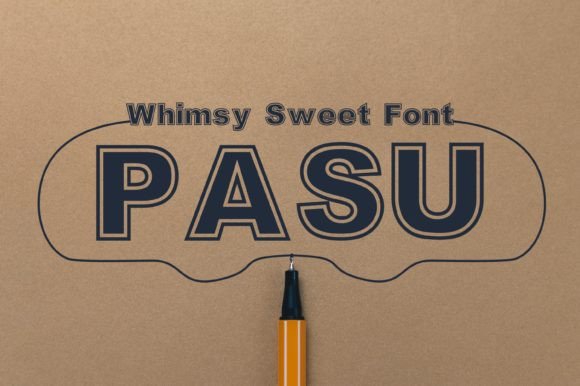
Bead: A Hand-Painted Display Font
Bead is a hand-painted typeface designed to help you create the look of stunning custom hand-lettering. As a display font, Bead brings a unique personality to web design, offering a blend of artistic flair and digital versatility. Whether you're working on a website header or a social media graphic, Bead adds a touch of creativity that stands out.
Bead for Website Headers and Hero Sections
Bead is ideal for website headers and hero sections where visual impact matters most. Its hand-painted style gives a personal, artisanal feel that can elevate the tone of your brand. When used in large sizes, Bead draws attention without overwhelming the layout, making it perfect for landing pages and call-to-action areas. Pair it with a clean sans serif font for body copy to balance readability and aesthetics.
For instance, a creative portfolio site could use Bead in the main title to reflect an artist’s individuality. On a boutique online store, Bead might appear in the hero banner to convey craftsmanship and exclusivity. The font's fluid strokes and organic shape make it suitable for both modern and vintage-inspired designs.
Bead for Call-to-Action Buttons and Short Phrases
Bead works well for call-to-action buttons and short phrases where clarity and style are equally important. Its bold, expressive forms add energy to interactive elements like "Sign Up" or "Shop Now." However, it's best used sparingly—too much text in Bead can reduce legibility, especially on mobile screens.
When using Bead in small sizes, ensure there's enough contrast against the background. Dark text on light backgrounds or light text on dark backgrounds maintains readability. For image overlays, consider using a semi-transparent background or adjusting the font size to avoid clutter.
Bead for Brand Identity and Logo Design
Bead is a powerful tool for logo design and brand identity projects. Its handwritten quality conveys authenticity and creativity, making it a great choice for startups, creative agencies, and lifestyle brands. When paired with a more structured font, Bead can create a dynamic visual hierarchy that reinforces brand personality.
For example, a coaching website might use Bead in the logo to evoke a sense of approachability and warmth. A digital product launch could feature Bead in the tagline to highlight innovation and artistry. The font's versatility allows it to adapt to different brand tones while maintaining a cohesive look across all touchpoints.
Bead for Social Media Graphics and Digital Ads
Bead shines in social media graphics and digital ads where visual appeal is key. Its expressive strokes make it stand out in banners, Instagram posts, and Facebook ads. When designing for platforms like Pinterest or Twitter, Bead can be used to draw attention to key messages without disrupting the overall composition.
Consider using Bead in headlines or captions to add a personal touch. For digital ads, keep the text concise and use the font in larger sizes to maximize visibility. Ensure the surrounding design elements don't compete with the typography, allowing Bead to take center stage.
Bead for Blog Headers and Content Sections
Bead can enhance blog headers and content sections by adding a distinctive visual element. While it's not the best choice for long paragraphs, it works well as a subheading or section title. Its organic flow creates a natural rhythm that complements other design elements on the page.
A lifestyle blog might use Bead in the header to reflect a creative, curated aesthetic. A tech startup could use it in a featured section to introduce a new product. In both cases, Bead adds a layer of personality that aligns with the brand's voice and goals.
Bead for Responsive Web Design and Mobile Layouts
Bead performs well in responsive web design when used appropriately. On desktop screens, its detailed strokes can be fully appreciated, while on mobile devices, scaling the font down ensures clarity without sacrificing style. Avoid using Bead in small text sizes on mobile unless the contrast is strong and the background is simple.
For mobile-first designs, test Bead in different screen sizes to ensure it remains legible. Use it in headers, buttons, or decorative accents rather than body text. This approach maintains usability while still leveraging the font's artistic qualities.
Bead for Commercial Font Licensing and Webfont Availability
When using Bead for commercial projects, check the licensing terms to ensure compliance. Most premium fonts include webfont availability, allowing you to embed them directly into your website. This eliminates the need for image-based text and ensures consistent rendering across devices.
If Bead includes multiple weights or styles, use them to create visual interest without overcomplicating the design. For multilingual support, confirm that the font covers the necessary characters for your target audience. Always back up your design assets and maintain a clear record of font licenses for client projects.
Bead for Creative Portfolio Sites and Online Stores
Bead is a standout choice for creative portfolio sites and online stores looking to make a statement. Its hand-painted texture adds a tactile quality that resonates with audiences. Whether you're showcasing artwork, fashion designs, or handmade products, Bead can reinforce the brand's story and values.
An online store selling bespoke items might use Bead in the navigation menu to emphasize craftsmanship. A designer's portfolio could feature Bead in the project titles to highlight individuality. In both cases, the font becomes a signature element that defines the brand's visual identity.